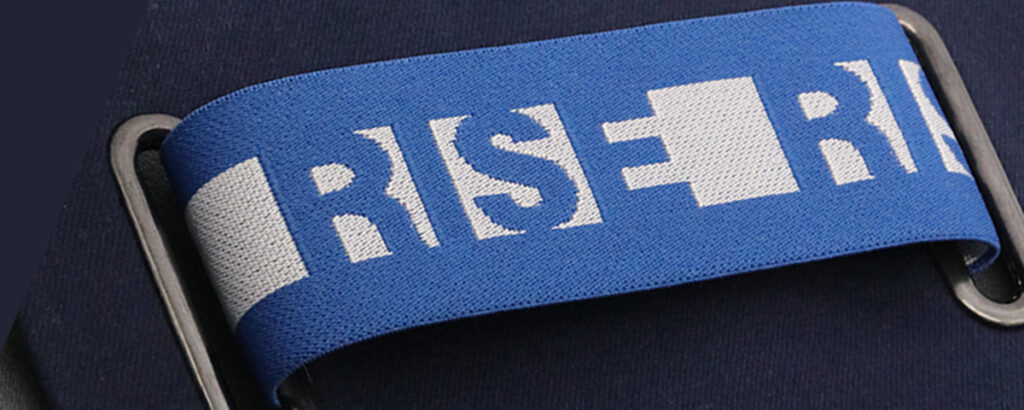
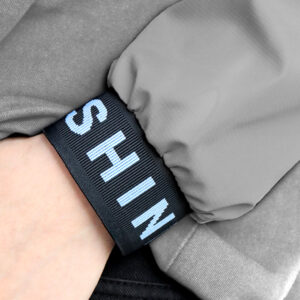
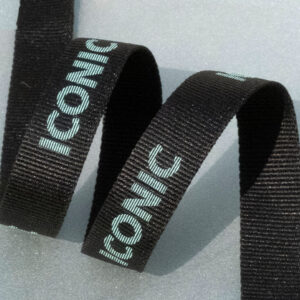







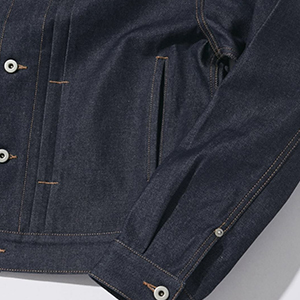
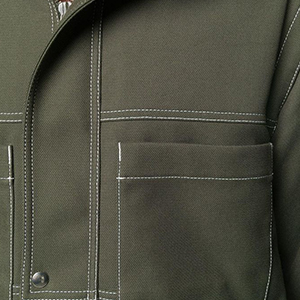
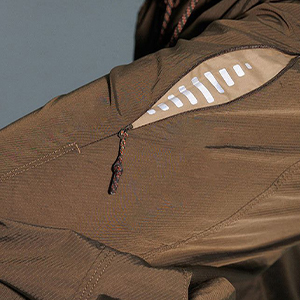







Enhance garment adjustment and structured support with custom webbing straps
For waistbands, tote handles, hanger loops, bag details, and more, Frameless webbing trims help create adjustable or supportive details on garments and accessories without bulky hardware.
Straps and webbing trims help garments carry weight, adjust fit, or hold components in place during wear. Working with a webbing manufacturer like Frameless helps define the right tape width, thickness, hand feel, stretch, buckle compatibility, and load requirements for the final product.
Materials
Colours
Sizes
Finishes
Branding
Shapes
Accessories
Coats
Denim
Jackets
Outdoor
Shirts
From custom development to bulk production, Frameless supports fashion and apparel brands at every stage.
Custom Design
Sampling
Bulk Production
Quality Control
Global Supply
Sustainable
Frameless Asia Pacific is all about innovation, fresh, modern designs and outstanding, sustainable quality, A reliable partner in terms of functional performance and product services We love Frameless Asia Pacific.
Julia Seliger
Senior Trim Developer

Frameless has been such a supportive partner to the Michael Kors Mens team. They offer competitive pricing and can support our needs for cost effective solutions when needed. They maintain a fast turnaround for artwork, 3D print mock ups when needed, and sampling. They have a wide range of sustainable materials and are continually innovating with new product lines.
Janet Braunstein
Senior Trim Developer

Long term trusted and to GO-TO vendor for all sorts of trimming solutions. when it comes to speed and service unbeatable.
Josef Haerle
Senior Materials Innovation Manager

Webbing straps provide vital support, load-bearing capacity, and functional adjustment across sportswear, outerwear, trousers, and utility bags. Common applications include structural tote handles, durable belt loops, specialized elastic tape, and decorative piping. Depending on the stress level, narrow tapes suit light garment finishing while wider straps manage high-tension panels.
Based on the required tensile strength and hand feel, popular webbing material options include robust polyester, nylon, cotton, flexible TPU, or leather finishes. To support brand environmental compliance, Frameless also offers certified sustainable options like recycled polyester, recycled nylon, and recycled TPU that maintain full durability.
To choose the right garment strap, consider the final use, width, thickness, stretch, hand feel, and sewing method. Designers should also check whether the strap needs to carry load, adjust fit, add decoration, or sit against the skin. A webbing supplier team can help match strap structure, finish and material to the garment application.
Apparel straps improve function by adding support, adjustment, grip, reinforcement or easier handling. They can also improve the look of a garment through colour contrast, embroidery, reflective detail, silicone serigraphy, printed surfaces or textured tape structures. When used well, straps can make sportswear, outerwear, bags and accessories feel more finished.
Webbing strap width affects how much support the trim provides and how comfortable it feels on the garment. Narrow widths can suit decorative trims, loops or small fastening details, while wider widths can spread pressure better on tote handles, sportswear straps or heavier garment panels. Width should be tested with final fabric and hardware.
Designers should use embroidered webbing when they need raised texture, thread detail or a more tactile brand finish. Printed webbing is better when the design needs flatter graphics, repeated patterns, sharper colour areas or a lighter surface feel. The final choice depends on logo detail, wash testing, flexibility and the garment’s final style.
Nylon webbing can support colour, print and surface treatments, but the right method depends on the material, weave, finish and end use. Designers should test colour fastness, washing, abrasion and flexibility before production. For bulk orders, it is best to consult Frameless to confirm the desired colour match and consistency.
For tote bag handles, webbing straps should be strong enough for carrying weight and wide enough to sit comfortably in the hand or on the shoulder. Stitching, seam allowance, reinforcement, and attachment position are important. Consult with Frameless about pull strength, fabric tearing, strap slippage and repeated load performance.
Activewear relies on both components depending on the specific panel function. Elastic tape is vital for flexible areas like waistbands and cuffs, providing essential stretch and recovery during movement. Meanwhile, non-elastic webbing is required for structural support and load-bearing straps that must hold their shape under high tension.
Webbing ends can be folded, stitched, heat-sealed, tipped, bound or finished with a separate end detail, depending on the material and final use. A clean end finish helps reduce fraying and make the trim look more complete.