












Secure garment openings with custom eyelets for clean, durable finishing
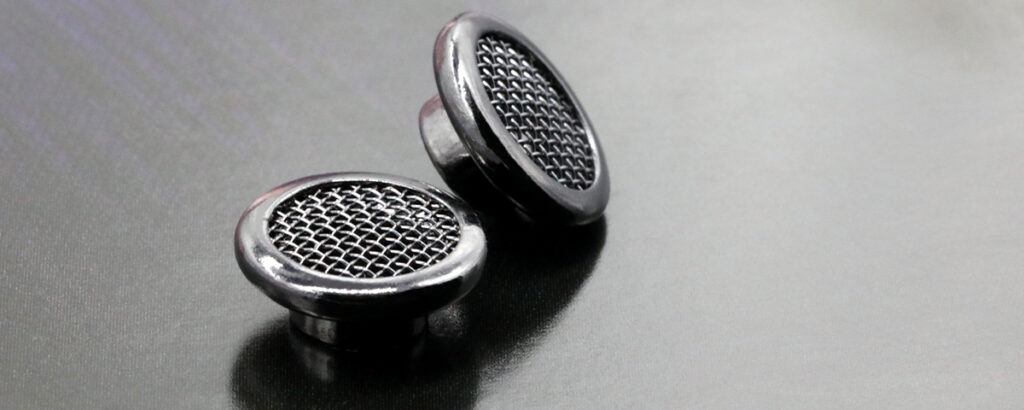
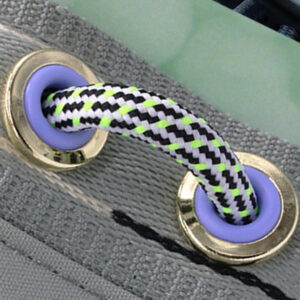
Used on hoods, waistbands, footwear, bags and technical apparel, Frameless designs eyelets that create neat reinforced openings for lacing, drawcord routing and ventilation details.
Eyelets reinforce cut openings so laces, drawcords or straps can pass through fabric without fraying, tearing or looking unfinished. Frameless supports brands in matching specifications, including hole size, fabric thickness, washer use, setting method, rust resistance, and safety requirements.
Materials
Colours
Sizes
Finishes
Branding
Shapes
Coats
Denim
Jackets
Outdoor
Shirts
From custom development to bulk production, Frameless supports fashion and apparel brands at every stage.
Custom Design
Sampling
Bulk Production
Quality Control
Global Supply
Sustainable
Frameless Asia Pacific is all about innovation, fresh, modern designs and outstanding, sustainable quality, A reliable partner in terms of functional performance and product services We love Frameless Asia Pacific.
Julia Seliger
Senior Trim Developer

Frameless has been such a supportive partner to the Michael Kors Mens team. They offer competitive pricing and can support our needs for cost effective solutions when needed. They maintain a fast turnaround for artwork, 3D print mock ups when needed, and sampling. They have a wide range of sustainable materials and are continually innovating with new product lines.
Janet Braunstein
Senior Trim Developer

Long term trusted and to GO-TO vendor for all sorts of trimming solutions. when it comes to speed and service unbeatable.
Josef Haerle
Senior Materials Innovation Manager

Apparel eyelets reinforce fabric openings where drawcords, laces, straps or ventilation details pass through. They are commonly used on hoodies, jackets, waistbands, trousers, footwear, bags, belts and outdoor garments. When used with drawstrings, eyelets help protect the fabric around the opening and give the product a cleaner, more durable finish.
Standard eyelets are typically manufactured from brass, zinc alloy, and high-performance polymers to ensure durable wash resistance. For eco-conscious brands, sustainable alternatives, including recycled brass, recycled zinc alloy, and recycled nylon, reduce reliance on virgin materials while maintaining structural integrity.
Selecting the appropriate eyelet requires aligning the inner diameter with your drawstring width and evaluating the compressed thickness of your fabric. Partnering with a dedicated eyelet manufacturer like Frameless allows production teams to cross-reference tooling compatibility, washer configurations, and material strength to ensure optimal performance on the factory floor.
Component hardware reinforces high-strain entry points, allowing cords and laces to glide smoothly without causing fabric erosion over time. Beyond engineering benefits, incorporating custom clothing grommets allows brands to introduce distinct visual branding through specialised profiles, tailored shapes, and contrast finishes that complement technical apparel or utility-driven outerwear.
Yes, but the fabric may need extra reinforcement around the opening to prevent tearing under tension. Depending on the material, backing, washers, or stronger hardware may be needed. Decorative finishes can still be considered, but pull-out strength, corrosion resistance, coating damage, and washing performance should be checked before production.
Some eyelets are self-piercing and can be attached without pre-punching, depending on the fabric and eyelet construction. Other textile eyelets need the fabric opening to be pre-punched before setting. The right method should be tested on the final fabric to avoid puckering, weak attachment, sharp edges, or surface damage.
Sew-on eyelets are preferred when managing delicate, highly elastic, or padded textiles that cannot withstand intense mechanical pressing. This method accommodates fabric stretch and offers a softer profile. Conversely, pressed hardware is better suited to stable, heavyweight fabrics requiring clean industrial assembly and high pull-out resistance.
To choose the right eyelet size, first check the thickness of the cord, lace or drawstring. The inner opening should be large enough for it to pass through smoothly without catching. Fabric thickness, outer eyelet diameter, and washer size also matter for wholesale eyelet procurement, as the product needs to sit firmly without pulling through the fabric matrix under tension.
Pull strength can be tested by applying the eyelet to the final fabric, then pulling it under controlled force to check whether it loosens, bends, or tears the fabric. Rust resistance is usually checked through washing, humidity or salt-spray testing. After testing, the eyelet should be reviewed for rust, colour change, coating damage and sharp edges.