













Elevate your branding with custom heat transfer trims for apparel
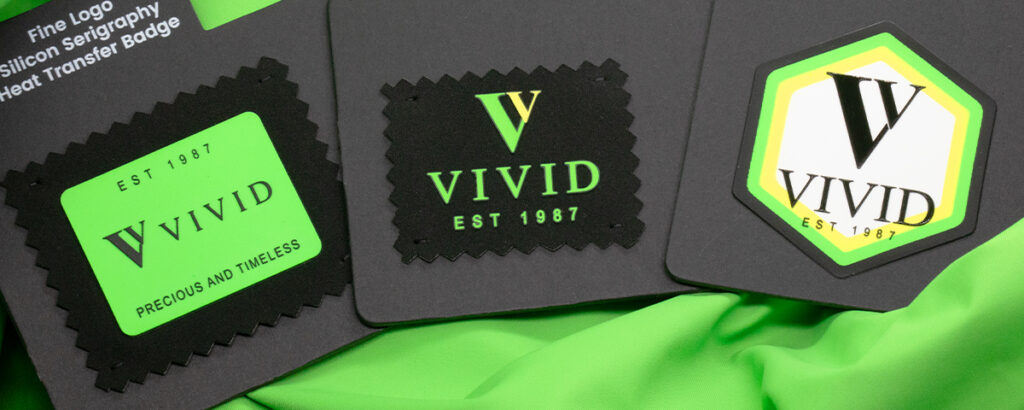
Heat transfer technology applies customised logos, labels, badges and decorative trims to t-shirts, hoodies, sportswear, and accessories, creating clean, stitch-free finishes designed for durability through repeated wear.
Heat transfer uses heat and pressure to bond logos, labels, decorative trims and patch designs to fabric without stitching. Frameless, as a heat transfer manufacturer, helps ensure strong adhesion and wash durability through film, silicone, TPU, reflective, raised, metallic, perforated and sustainable options.
Materials
Colours
Sizes
Finishes
Branding
Shapes
Coats
Denim
Jackets
Outdoor
Shirts
From custom development to bulk production, Frameless supports fashion and apparel brands at every stage.
Custom Design
Sampling
Bulk Production
Quality Control
Global Supply
Sustainable
Frameless Asia Pacific is all about innovation, fresh, modern designs and outstanding, sustainable quality, A reliable partner in terms of functional performance and product services We love Frameless Asia Pacific.
Julia Seliger
Senior Trim Developer

Frameless has been such a supportive partner to the Michael Kors Mens team. They offer competitive pricing and can support our needs for cost effective solutions when needed. They maintain a fast turnaround for artwork, 3D print mock ups when needed, and sampling. They have a wide range of sustainable materials and are continually innovating with new product lines.
Janet Braunstein
Senior Trim Developer

Long term trusted and to GO-TO vendor for all sorts of trimming solutions. when it comes to speed and service unbeatable.
Josef Haerle
Senior Materials Innovation Manager

Heat transfer is a garment decoration technology that uses heat and pressure to apply designs, logos, labels, badges, patches or decorative trims onto fabric. These applications work well on everyday apparel, performance wear and accessories where a clean finish and reliable wear are important.
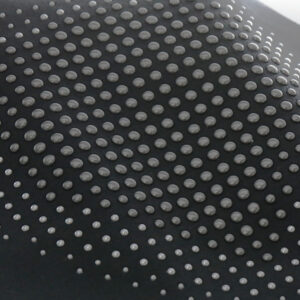
Heat transfer solutions can be developed using TPU, silicone, PU, foil and film, depending on the design and application requirements. Frameless also offers recycled silicone and recycled TPU options, alongside reflective, metallic, raised 3D, stretchable and perforated effects.
The right custom heat transfer solution depends on the fabric, garment type, placement, design detail, stretch requirement, washing needs and the visual effect you want to achieve. For example, silicone or TPU heat transfers can provide different levels of flexibility, dimension and durability depending on the garment and application.
Heat transfer patches create a clean, low-profile finish that keeps branding firmly attached without adding bulk or stitch lines. For wholesale, these badges offer a consistent finish across larger production runs while maintaining clear branding and a smooth feel against the skin.
With the right material, fabric and application settings, heat transfers are washable and dry-cleanable. Temperature, pressure and time must be tested during sampling to ensure strong adhesion, wash performance and long-term wear resistance before moving into bulk production.
Heat transfer applications work best on stable fabrics such as cotton, polyester and standard blends for shirts, as well as many performance fabrics. They are not suitable for fabrics with a high spandex content, silk, wool, waterproof coatings, PU, foam, or brushed surfaces. Test the solution on the actual fabric first, as heat and pressure can damage delicate or heat-sensitive materials.
Heat transfer badges perform well on sportswear and functional wear when applied to compatible synthetic or blended fabrics. They offer excellent flexibility, strong adhesion and durability through repeated washing and movement. For best results on stretchy performance fabrics, choose TPU or silicone-based transfers and carry out proper bonding tests to ensure long-term performance.
Heat transfer patches and other solutions can support clothing recycling when they are made from the same material as the garment, such as recycled polyester or TPU. This means the badge or transfer does not need to be separated from the fabric at the end of its life, simplifying the recycling process and reducing contamination.
Before starting wholesale production, perform a bonding test during sampling on the actual garment fabric using your custom heat transfer patch. Record the optimal temperature, pressure, and time, then check for adhesion strength, appearance, and any fabric damage.
Not exactly. Heat transfer is a broader application method in which a design or trim is applied to fabric using heat and pressure, while DTF, DTG and screen printing are different printing methods: DTF is a heat-applied transfer process, DTG prints directly onto the garment, and screen printing can be applied directly or used to create transfers, depending on the production method.