











Finish denim garments with durable buttons for secure closures
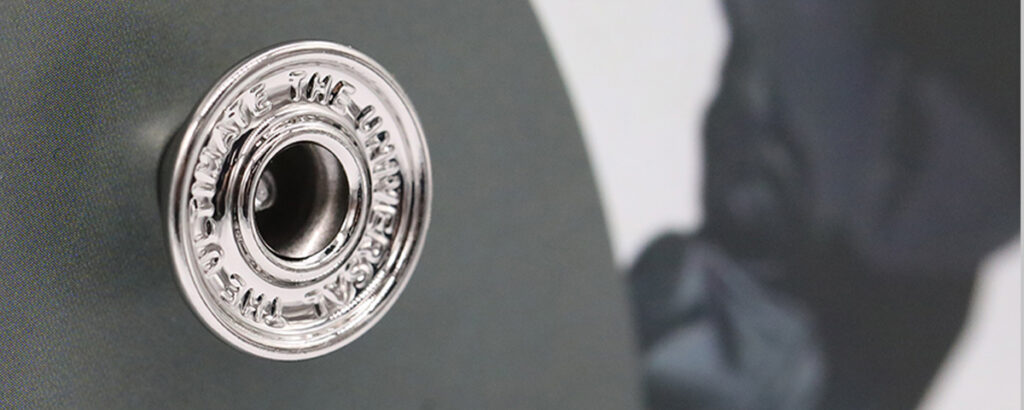
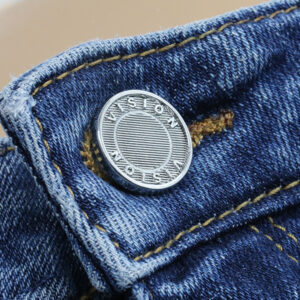
For denim apparel like jeans, jackets, skirts, and overalls, Frameless jeans buttons help create firm closures that stay neat during wear, washing, and garment finishing.
Jeans buttons use a tack system to fasten denim waistbands, fly fronts, and structured panels securely. Working with a jeans button manufacturer like Frameless helps define button diameter, tack type, denim weight, washer use, logo space and wash durability.
Materials
Colours
Sizes
Finishes
Branding
Shapes
Denim
Jackets
Outdoor
From custom development to bulk production, Frameless supports fashion and apparel brands at every stage.
Custom Design
Sampling
Bulk Production
Quality Control
Global Supply
Sustainable
Frameless Asia Pacific is all about innovation, fresh, modern designs and outstanding, sustainable quality, A reliable partner in terms of functional performance and product services We love Frameless Asia Pacific.
Julia Seliger
Senior Trim Developer

Frameless has been such a supportive partner to the Michael Kors Mens team. They offer competitive pricing and can support our needs for cost effective solutions when needed. They maintain a fast turnaround for artwork, 3D print mock ups when needed, and sampling. They have a wide range of sustainable materials and are continually innovating with new product lines.
Janet Braunstein
Senior Trim Developer

Long term trusted and to GO-TO vendor for all sorts of trimming solutions. when it comes to speed and service unbeatable.
Josef Haerle
Senior Materials Innovation Manager

Jeans buttons are mainly used for secure fastening on denim waistbands, button flies, jackets, skirts and workwear. Because they are fixed with a tack instead of thread, they can support thicker fabric layers and handle high-stress closure points more reliably than standard sew-on buttons.
Denim buttons can be made from brass, zinc alloy, and decorative combinations with polyester, nylon, rhinestone, or leather. Sustainable options may include recycled brass, recycled nylon, recycled polyester, and selected mixed-material designs, depending on the required strength, finish, and wash performance.
Start with the garment type, denim weight, button size, tack structure, buttonhole size and wash process. One pin buttons suit many standard waistbands, while double pin or movable styles may suit specific construction needs. Frameless can also help by checking button height, edge comfort, and whether the finish matches rivets, eyelets, or other trims.
Jean buttons ensure dependable closure integrity under tension. From an aesthetics perspective, custom denim buttons serve as a prominent branding canvas, allowing manufacturers to integrate debossed logos, unique plating finishes, and tailored textures that define the brand’s visual identity.
Choose tack length by checking the fabric thickness, number of layers, and button back structure. The tack should pass through the denim securely without creating looseness, sharp pressure, or fabric damage. For thick waistbands, a longer tack may be needed, while lighter denim may need a shorter option to avoid movement.
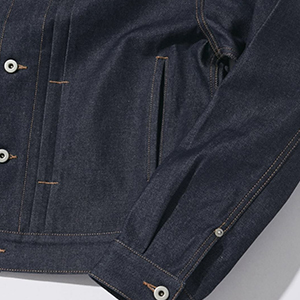
Denim jackets typically feature heavier hardware profiles to balance the visual weight of substantial utility fabrics. Standard front plackets and cuffs frequently utilise 27L or 28L (Ligne) buttons, while chest pockets might employ smaller 24L variants.
Movable jeans buttons should be placed where the garment benefits from slight movement between the button and the attachment point. They may suit selected waistbands, jackets or closure areas where comfort and flexibility matter. Placement should avoid areas where movement could make the closure feel loose, twist the fabric, or reduce fastening security.
While nickel-free, lead-free, or restricted-substance requirements vary by target market, jean buttons can be engineered to comply with necessary criteria. Prior to launching wholesale production runs, Frameless coordinates certified laboratory testing to verify that chemical configurations satisfy the precise safety thresholds of your destination market.
Jeans buttons need a stable fabric base so the tack can anchor securely without tearing or pulling through. Denim weight, fabric thickness, stretch level, coating, number of layers, and reinforcement should be checked before production. Light, thin or slightly elastic fabrics may need extra layers, backing or washer support before attachment.
One-prong jeans buttons, also listed as one-pin jeans buttons, are commonly used for standard denim closures on stable fabrics. Twin-prong or two-pin jeans buttons, often listed as jeans double pin buttons, can give extra hold on more delicate or demanding fabric structures. Swivel or movable one-pin jeans buttons are useful when the cap needs more flexibility for smoother opening and closing.