











RIVETS

Reinforce garment stress points with custom rivets for neat finishing

Essential for structural integrity across denim, outerwear, and bags, Frameless rivets provide a secure attachment point while adding a refined decorative detail to finished apparel.

Rivet trims for apparel manufacturers and reinforced garment detailing

Overview

Rivets secure pockets, corners, and straps, adding clean hardware detail without damaging fabric or creating sharp edges. Developing your hardware with a rivet manufacturer like Frameless streamlines the selection of cap size, placement width, fabric compatibility, and attachment pressure.

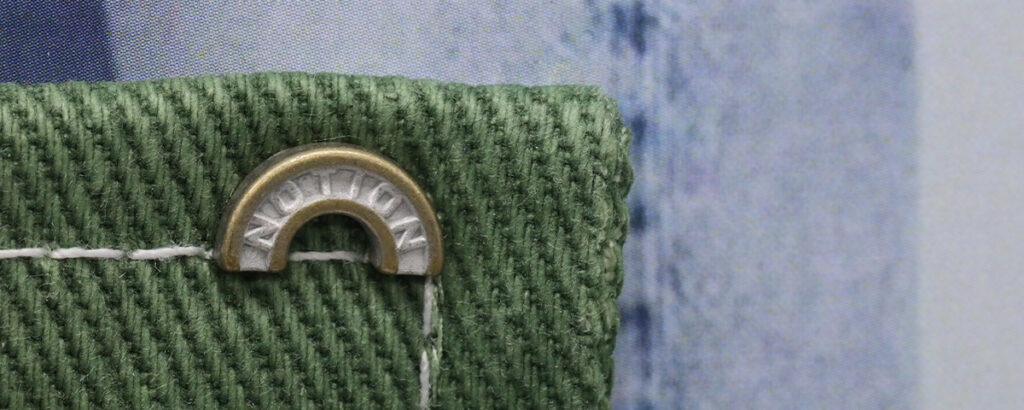
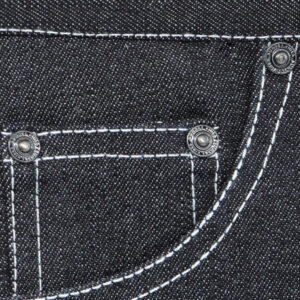
Metal rivets applied to denim pocket construction
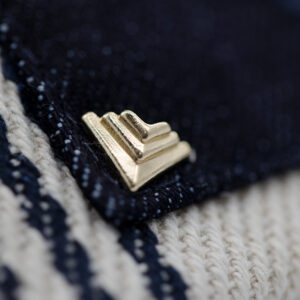
Decorative rivet detail for branded apparel trims

Customization Options

Materials

Colours

Sizes

Finishes

Branding

Shapes

Applications

denim applications

Denim

jackets applications

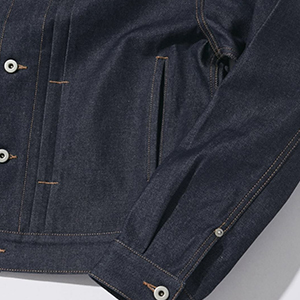
Jackets

outdoor applications

Outdoor

shirts applications

Shirts

Why Work With Frameless?

From custom development to bulk production, Frameless supports fashion and apparel brands at every stage.

Custom Design

Sampling

Bulk Production

Quality Control

Global Supply

Sustainable

Testimonials

Frameless Asia Pacific is all about innovation, fresh, modern designs and outstanding, sustainable quality, A reliable partner in terms of functional performance and product services We love Frameless Asia Pacific.

Julia Seliger

Senior Trim Developer
testimonial jack wolfskin

Frameless has been such a supportive partner to the Michael Kors Mens team. They offer competitive pricing and can support our needs for cost effective solutions when needed. They maintain a fast turnaround for artwork, 3D print mock ups when needed, and sampling. They have a wide range of sustainable materials and are continually innovating with new product lines.

Janet Braunstein

Senior Trim Developer

testimonial michael kors

Long term trusted and to GO-TO vendor for all sorts of trimming solutions. when it comes to speed and service unbeatable.

Josef Haerle

Senior Materials Innovation Manager

testimonial boss

Frequently Asked Questions

What are the common uses and applications of garment rivets?

Rivets are primarily utilised to strengthen structural stress points and introduce distinct hardware accents across apparel, luggage, and accessories. On denim and heavy workwear, they provide vital stabilisation to pocket corners and high-tension seams where fabrics experience the highest strain.

Components are typically manufactured using zinc alloy, brass, or copper to ensure excellent wash durability. For eco-conscious brands, sustainable options include recycled brass, recycled zinc alloy, and recycled nylon, which balance responsible sourcing with necessary structural compliance.

The right custom logo rivet depends on how the trim will sit on the garment and how much pressure it needs to handle. Review fabric thickness, stress level, cap diameter, post length, washer type, and finish. A rivet manufacturer should help confirm whether a standard rivet, rivet badge, or prong rivet fits the garment construction.

Rivets add visible hardware detail through colour, shine, texture, shape or branding. Custom logo rivets can add engraved, embossed, debossed, laser-marked or printed details, depending on the cap surface and material. As a result, the garment feels more intentional and distinctive.

For denim pocket corners, rivets should be strong enough to handle repeated pulling, sitting, and washing. Standard metal rivets are often suitable for classic denim applications, while smaller sizes may work on lighter jeans or decorative pocket details. The cap size, post length, and washer should match the denim thickness and seam layers.

On bags and accessories, rivets should be placed at stress points such as strap ends, handles, flap closures, pocket corners, and areas where fabric layers meet. They should support the construction without creating sharp edges or uncomfortable pressure. For bulk orders, placement should be tested across the full product size range.

Post length affects how securely the rivet passes through fabric layers before being fixed. If the post is too short, it may not lock properly; if it is too long, it can feel loose or create pressure. When designing wholesale custom rivets, thicker denim, leather panels, or bags require careful post-length testing.

Prong rivets can be useful when designers need a different attachment method from standard post-and-washer rivets. They may suit selected decorative areas or constructions where prongs can grip the material effectively. Standard rivets are usually better for classic reinforcement points, while prong styles should be tested for comfort, fabric support, and wash resistance.

Before attaching rivets, the final fabric should be checked for thickness, stretch, coating, number of layers, and resistance to tearing. Rivets need a stable base so the nail can anchor firmly without pulling through or damaging the garment. Elastic, thin, or unstable fabrics may need reinforcement, backing, or additional fabric layers before production.

Washers or discs can be used when the fabric needs extra support around the rivet attachment point. They are especially useful on slightly elastic fabrics, layered constructions, or areas exposed to higher strain, such as pocket corners, belt loops, or bags. Testing the fashion rivet on the final garment helps confirm whether the washer improves anchorage without adding discomfort.

Many rivet systems are self-piercing, meaning they can be attached without pre-punching the fabric. However, pre-punching may still be useful for certain fabric types, coatings, thicker layers or more delicate constructions. The final decision should be confirmed through application testing to avoid fabric damage, weak attachment, or uneven setting.

Contact Us