



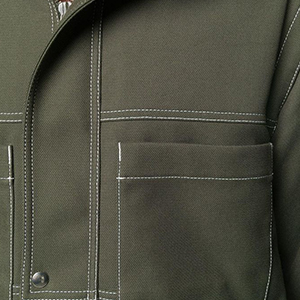
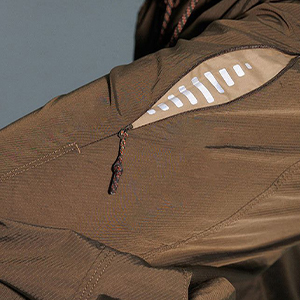
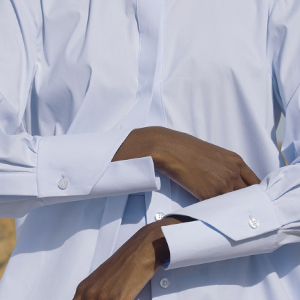






Enhance reliable closure and polished detail with custom garment buttons
From everyday shirts to uniforms, outerwear and accessories, Frameless helps apparel brands create buttons that provide secure closure and match the garment’s style and finished look.
Buttons fasten garment openings and add structure and detail to plackets, cuffs, waistbands and outerwear closures. As a button manufacturer, Frameless helps align diameter, thickness, hole layout, shank type, attachment strength, fabric weight, washing needs and production assembly requirements.
Materials
Colours
Sizes
Finishes
Branding
Shapes
Accessories
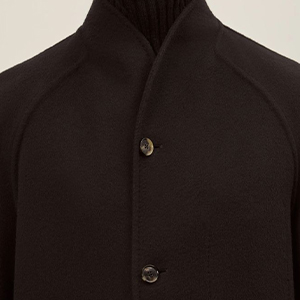
Coats
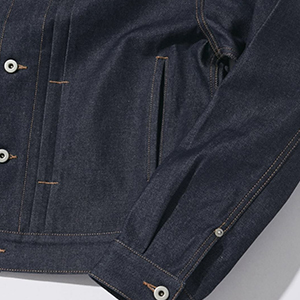
Denim
Jackets
Outdoor
Shirts
From custom development to bulk production, Frameless supports fashion and apparel brands at every stage.
Custom Design
Sampling
Bulk Production
Quality Control
Global Supply
Sustainable
Frameless Asia Pacific is all about innovation, fresh, modern designs and outstanding, sustainable quality, A reliable partner in terms of functional performance and product services We love Frameless Asia Pacific.
Julia Seliger
Senior Trim Developer
Frameless has been such a supportive partner to the Michael Kors Mens team. They offer competitive pricing and can support our needs for cost effective solutions when needed. They maintain a fast turnaround for artwork, 3D print mock ups when needed, and sampling. They have a wide range of sustainable materials and are continually innovating with new product lines.
Janet Braunstein
Senior Trim Developer

Long term trusted and to GO-TO vendor for all sorts of trimming solutions. when it comes to speed and service unbeatable.
Josef Haerle
Senior Materials Innovation Manager
Buttons are used to fasten garment openings, adjust fit and add visible detail to finished apparel. Typically, they are applied on shirts, blouses, dresses, trousers, jackets, coats, suits, uniforms, lab coats and childrenswear. Smaller buttons usually suit lighter garments, and larger or stronger styles are better for outerwear, workwear and structured pieces.
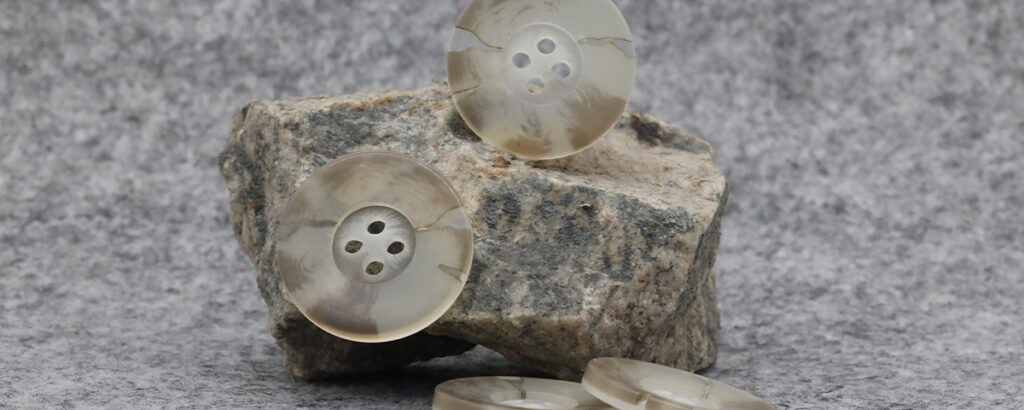
A professional button manufacturer like Frameless offers various materials, from polyester, a practical choice for everyday wear, to natural and lower-impact options such as real horn, corozo, coconut and mother-of-pearl, which can give garments a more refined or organic appearance.
Choosing the right button depends on the garment type, fabric weight, button size, hole type, colour and finish. For example, shirt buttons need smooth handling, while coat or trouser buttons may need more strength. Frameless can also support custom shape, finish, logo position, 3D artwork and prototyping.
Buttons improve function by securing closures, supporting fit and allowing garments to open or adjust easily. They also enhance the final look by adding colour contrast, texture and detail, making a shirt look more refined or a coat feel more premium. Frameless can also develop custom clothing buttons for tailored designs.
Flat buttons have visible holes on the front and are sewn directly into the fabric, making them a common choice for shirts and everyday garments. Shank buttons have a raised loop or stem at the back, leaving the front surface cleaner and working better for coats, jackets, and decorative garments.
The number of holes, typically from 2 up to 9 holes, affects the sewing strength and appearance of the garment. Two-hole buttons are simple and suitable for lightweight garments, while four-hole buttons provide stronger attachment for shirts, trousers, and outerwear. Thorough testing is especially recommended for wholesale button production to confirm the best hole configuration.
Ligne is a traditional button sizing system used to describe button diameter. In many button catalogues, sizes such as 16″, 20″, 24″ or 28″ refer to ligne, not inches. A higher ligne number means a larger button. A clothing button manufacturer can help match ligne size with garment use.
Generally, slit and grooved hole designs affect how the button is sewn, not the garment buttonhole size. The fabric buttonhole should still be based on the button’s outer diameter, thickness, and shape. Since special holes can change button profile and movement, testing with the final fabric and consulting with a button manufacturer like Frameless is strongly recommended.
Yes, buttons can be developed to match a fabric colour, contrast with it, or follow a specific Pantone reference. The final result depends on the button material, finish and production method, so fabric swatches or approved colour samples are useful. Sample approval helps check how the colour appears under different lighting and against the final garment.
For childrenswear, buttons need to be securely attached and suitable for the intended age group. Testing usually focuses on pull strength, breakage, sharp edges, small-part risks and wash performance. The button size, placement and sewing method should also be reviewed against the garment type and the safety requirements of the target market.